About Clay Graphite Crucibles
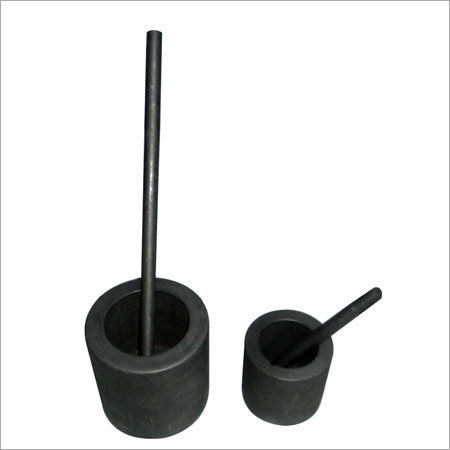
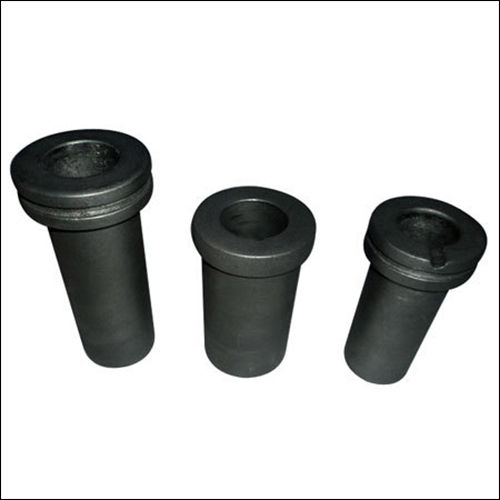
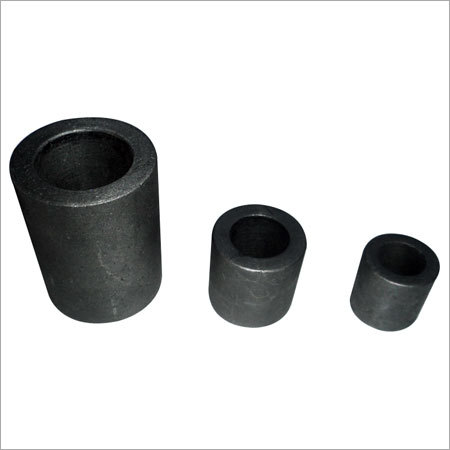
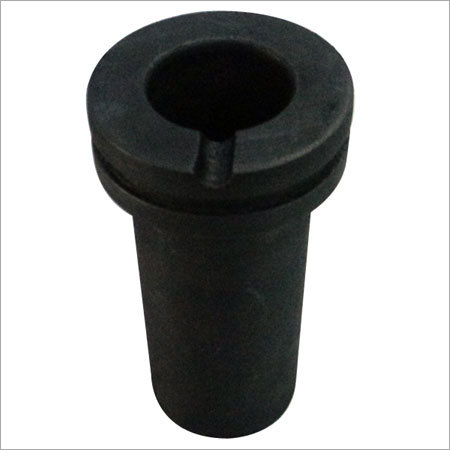
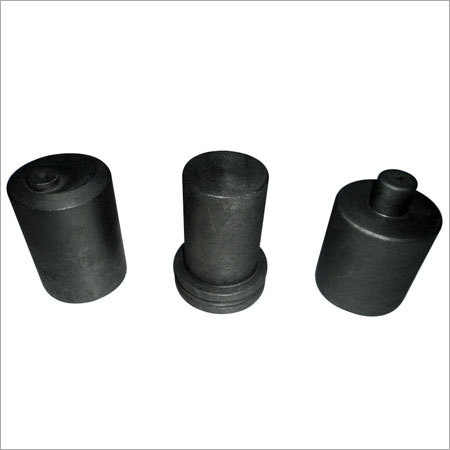
With rich industry experience and knowledge, we have been able to manufacture, export and supply a superior quality range of Clay Graphite Crucibles. These crucibles are used in various foundries for melting and casting of non ferrous metal like aluminum, brass, copper, metals zinc, lead, etc. These crucibles are known for high tensile strength, perfect finish and self-lubricating properties. As per the varied needs of our clients, these Clay Graphite Crucibles are offered in different specifications.
Features:
Superior Thermal Conductivity and StabilityWith state-of-the-art engineering, these clay graphite crucibles provide remarkable thermal stability and efficient heat transfer. Their maximum operating temperature reaches up to 1600C, making them suitable for melting a range of metals in demanding industrial environments. The combination of high-purity graphite and refractory clay ensures that heat distributes evenly, minimizing thermal stress.
Exceptional Chemical and Mechanical ResistanceThese crucibles offer robust resistance to corrosion, standing up to acids, alkalis, and harsh casting environments. Their medium to high hardness (Mohs scale 5-7) and shock-resistant design minimize the risk of cracking or failure, even with repeated thermal cycling. This durability translates into a long service life and dependable results for continuous operations.
Versatile Design and Application FlexibilityAvailable in several shapescylindrical, conical, and roundand with capacities from 1 kg up to 100 kg, these crucibles cater to a wide spectrum of metallurgical processes. The option for a protective lid provides additional safety during high-temperature applications. Custom wall thickness ensures optimal heat resistance depending on size and usage requirements.
FAQs of Clay Graphite Crucibles:
Q: How are clay graphite crucibles used in metallurgical meltdowns?
A: Clay graphite crucibles are positioned inside furnaces to hold and melt metals during processes such as foundry casting and precious metal refinement. Their excellent thermal conductivity allows for rapid and uniform heating, ensuring efficient melting and pouring.
Q: What benefits does high thermal conductivity provide for metal casting processes?
A: High thermal conductivity allows for faster melting and even temperature distribution. This ensures metals reach the desired state more consistently, reduces energy consumption, and minimizes the risk of localized overheating or damage to the crucible.
Q: When should I select a crucible with a protective lid?
A: A protective lid is advisable when you need to prevent contamination, reduce heat loss, and protect molten metal from oxidation or external debris. It is especially useful for precious metal casting or when processing reactive materials.
Q: Where are these crucibles commonly applied?
A: These crucibles are extensively used in metallurgical industries, foundries, and jewelry manufacturing, particularly for melting, refining, and casting a broad range of metals, including precious metals and alloys.
Q: What is the typical process for ensuring long service life of the crucible?
A: Maximize crucible longevity by gradually heating it before each use, avoiding rapid temperature changes, and keeping it clean from corrosive residues. Proper handling reduces mechanical shocks and extends its service lifespan.
Q: How does the corrosion resistance enhance the crucibles durability?
A: Resistance to acids and alkalis prevents the crucible from being degraded by chemical reactions during melting operations, ensuring it maintains structural integrity and reliable performance over numerous cycles.




 Send Inquiry


 Send Inquiry